Rental guides
Maintenance and tyres in long-term rental
Find out what the long-term rental monthly fee covers for maintenance and tyres, what is excluded and how to handle extras with no surprises.
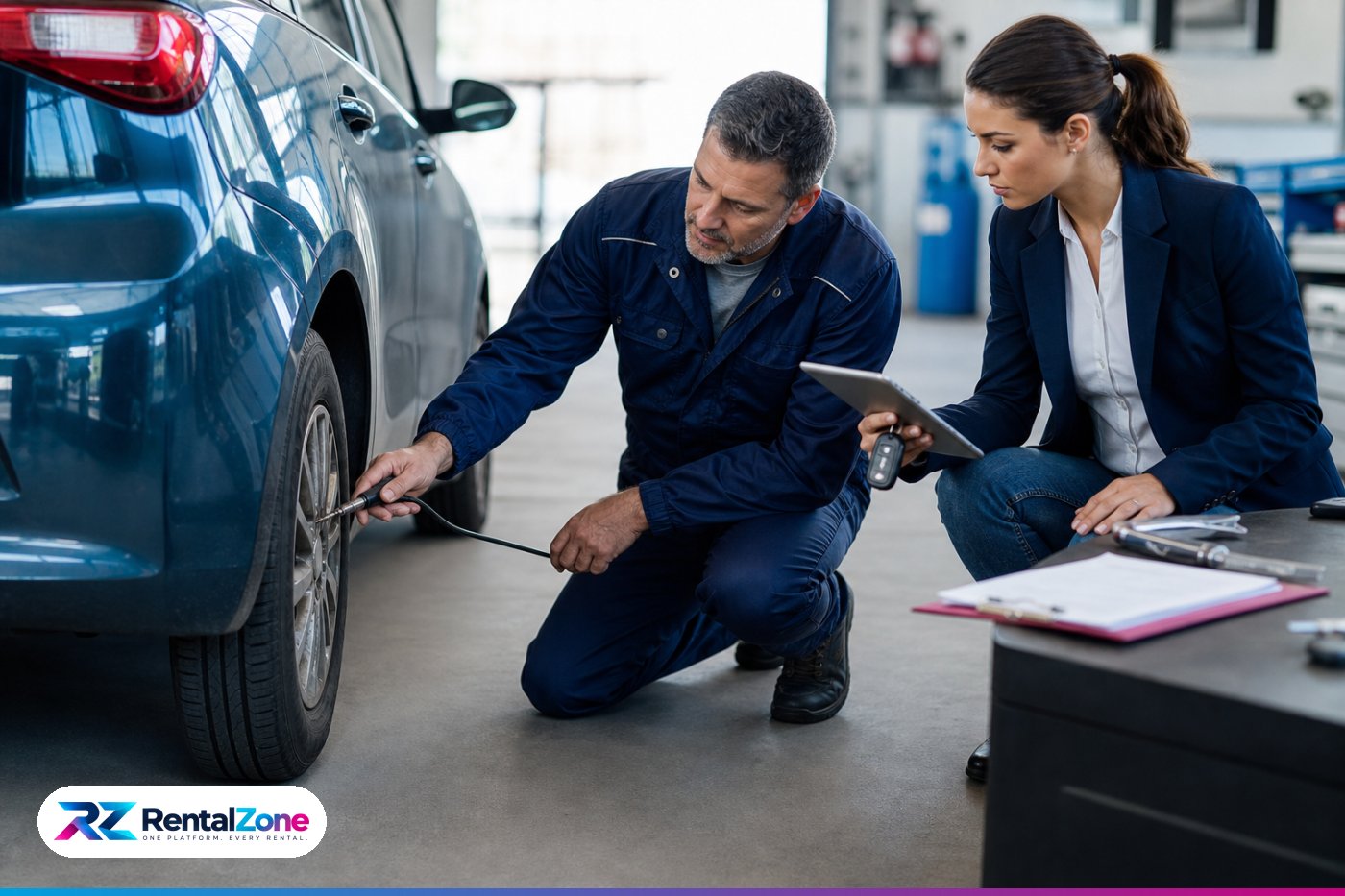
In long-term rental, routine maintenance and tyre management are normally included in the monthly fee, while damage from improper use, abnormal consumption and certain ancillary items remain your responsibility. Understanding what the contract covers saves you from surprises and lets you choose the offer best suited to your needs.
What routine maintenance includes in long-term rental
Routine maintenance is the core of the service: it keeps the vehicle efficient and safe for the entire duration of the contract. It generally includes:
- Scheduled services according to the manufacturer's instructions
- Oil, filter and fluid changes
- Inspection and replacement of components subject to normal wear
- Any official manufacturer recalls
- Management of work at authorised workshops
This means you don't have to worry about booking the service or paying upfront: the work is covered by the monthly fee and handled through the assistance network set out in the contract. It is good practice to check the contract for the frequency of services and the partner workshops.
Tyres in long-term rental: what is included
Tyre management is one of the most appreciated features of long-term rental. The monthly fee usually covers:
- Supply and replacement of tyres when they reach the wear limit
- Fitting and removal at partner tyre centres
- Wheel balancing and alignment
- Seasonal management, if provided for in the contract (summer, winter or all-season tyres)
- Disposal of replaced tyres
The arrangements can vary: some contracts provide for a maximum number of replacements, others handle the seasonal change for an additional cost. Reading the contractual conditions carefully helps you understand how many replacements are included and whether seasonal storage is covered.
What is not included in the monthly fee: the main exclusions
Not everything is included in the monthly fee. The most common exclusions concern:
- Accident damage not covered by insurance or caused by negligence
- Damage to rims, tyres and bodywork due to impacts, potholes or improper use
- Abnormal consumption or irregular wear caused by incorrect alignment or non-compliant driving
- Fuel or electric charging
- Fines, tolls and parking charges
- Extraordinary maintenance not related to normal wear
- Accessories and customisations not provided for in the contract
In these cases the cost remains yours. That is why it is important to drive carefully and report any anomalies immediately, so that action can be taken before the problem gets worse.
Extraordinary maintenance and wear: how to tell them apart
Extraordinary maintenance covers unforeseeable work not related to normal wear. Typical examples:
- Replacement of components damaged in an accident
- Repairs resulting from non-compliant use
- Work on parts not subject to scheduled wear
Routine maintenance, on the other hand, covers everything needed to keep the vehicle efficient according to the manufacturer's maintenance plan. The distinction matters because it determines who pays for the work. If in doubt, your RentalZone consultant can help you read the contract and understand what is covered by the monthly fee.
How tyre management works in practice
When the tyres approach the wear limit, you are usually contacted or you can book the work at a partner tyre centre. The typical procedure involves:
- Checking the condition of the tyres
- Replacement with tyres of the same category or equivalent
- Balancing and pressure check
- Disposal of the old tyres
If the contract provides for seasonal changes, you may need to plan the appointment in advance during peak periods. In some cases off-season tyre storage is included, in others it is chargeable: always check the conditions.
Advantages of long-term rental for maintenance
Choosing long-term rental means having a predictable monthly fee that includes most running costs. The main advantages:
- No upfront cost for services and tyres
- Simplified administration
- Dedicated assistance and partner workshops
- Better budget control
- A vehicle that is always compliant and safe
For those who drive many kilometres or want to avoid surprises, it is a solution that reduces the stress of maintenance. You can compare the long-term rental offers to find the most suitable option.
What to check before signing the contract
Before signing, check carefully:
- Number and frequency of services included
- Number of tyre replacements included
- Handling of seasonal changes and storage
- Excesses and caps in the event of damage
- Any ancillary costs (e.g. handling fines)
- Expected annual mileage and costs for extras
If you have doubts, you can contact a RentalZone consultant who will explain the conditions and help you choose. You can also use the configurator to estimate the monthly fee based on your needs.
Frequently asked questions
Is routine maintenance always included in the monthly fee?
In most long-term rental contracts routine maintenance is included. Always check the specific conditions of your contract.
Are tyres included in the monthly fee?
As a rule yes, with replacements provided for when they reach the wear limit. The number of replacements and the handling of seasonal changes may vary.
What happens if I damage a tyre or a rim?
Damage from impacts, potholes or improper use is generally excluded from the monthly fee and remains your responsibility, unless the contractual conditions state otherwise.
Is the seasonal tyre change included?
It depends on the contract. Some options include it, others offer it as a chargeable ancillary service. Check the conditions or ask your consultant.
Conclusion
In long-term rental, maintenance and tyres are generally included in the monthly fee, but it is essential to know the exclusions to avoid unexpected costs. If you want a tailored solution, request a quote from RentalZone: you'll find the offer that best suits your needs and clear support on what is included and what is not.