Commercial vehicles
Electric van rental: range, charging and costs
Electric van rental: discover real range, charging times and running costs. A practical guide to choosing long-term rental.
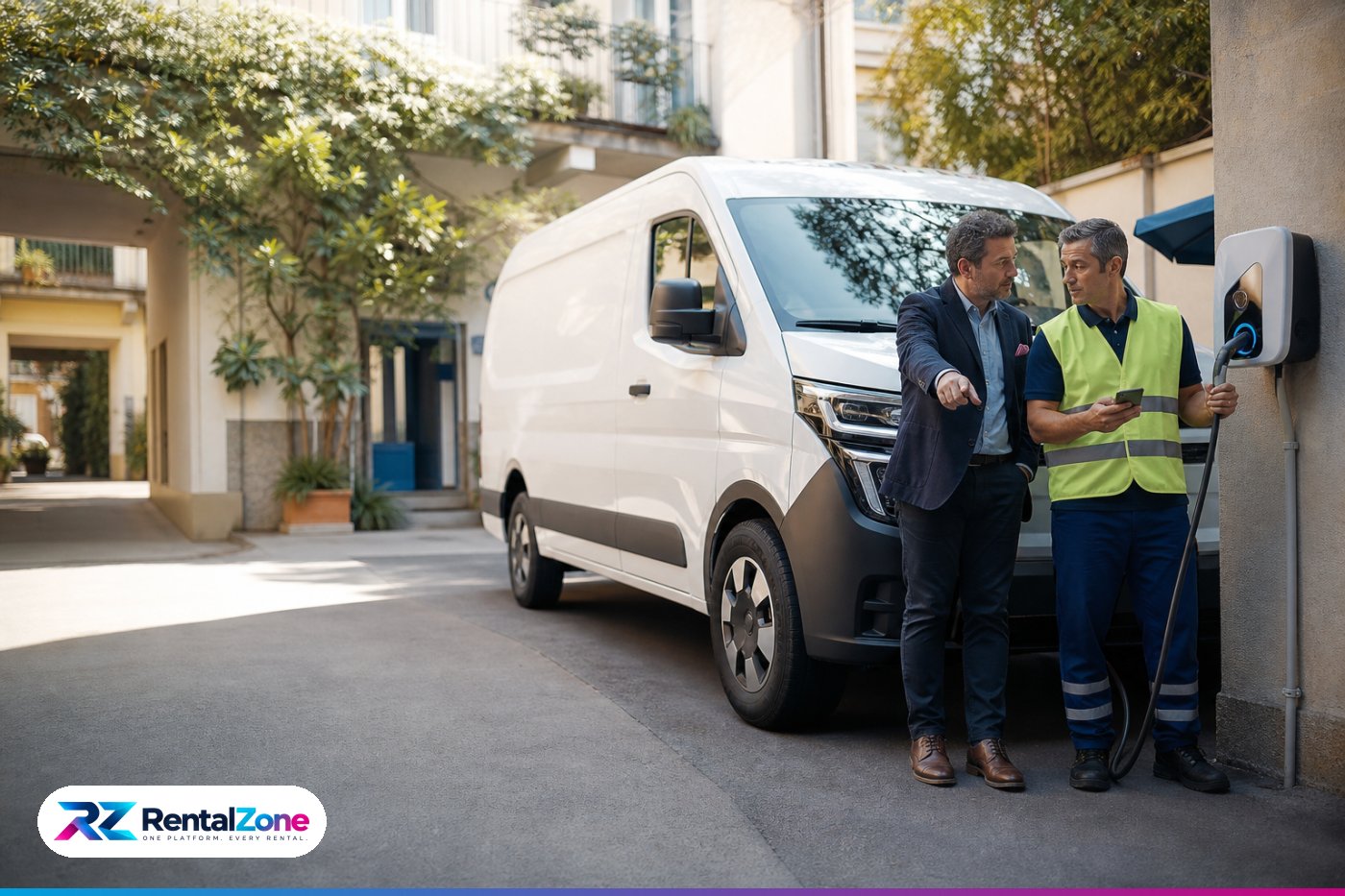
Choosing an electric van for rental means having a commercial vehicle without worries, with a monthly fee that includes maintenance, insurance and assistance. Real range varies depending on load, route and driving style, but with careful planning you can cover most urban and extra-urban needs. Running costs are often lower than an equivalent diesel, thanks to lower energy costs and fewer mechanical interventions.
Why choose an electric van for long-term rental
Long-term rental of an electric van is designed for those who want to try electric mobility without ownership constraints. Including services such as routine and extraordinary maintenance, insurance and roadside assistance, the monthly fee allows you to predict operating costs precisely.
- No used-vehicle risk: at the end of the contract you return the vehicle without worrying about depreciation.
- Technological updating: you can change to a model with more efficient batteries when the contract expires.
- Simplified management: a single point of contact for all services, from servicing to tyres.
- Tax benefits: under current regulations, businesses can benefit from specific deductions and allowances for electric vehicles. We recommend checking with your accountant.
If you are considering a specific model, you can consult the offers for commercial vehicles available or find out more about long-term rental of the Fiat Ducato, also available in an electric version.
Real range of an electric van: what to expect
The range declared by car manufacturers refers to ideal conditions. In everyday driving, the real range of an electric van can vary significantly. The main factors that affect it are:
- Load carried: more weight means more energy consumed.
- Type of route: in the city with frequent stop and go, regenerative braking helps; on the motorway at constant speed, consumption increases.
- Climate: cold temperatures temporarily reduce battery efficiency.
- Driving style: sudden acceleration and high speeds have a negative effect.
- Use of accessories: heating, air conditioning and power sockets for equipment draw energy.
In general, for a medium-sized electric van you can expect a real range that covers most urban and peri-urban missions. For longer journeys it is important to plan charging stops.
Charging an electric van for rental: times and solutions
Charging is a crucial aspect in managing an electric van. There are three main methods:
- Home or company charging (AC): using a dedicated wallbox, times are longer but you can charge overnight or during work breaks. It is the most economical solution.
- Public alternating current (AC) charging: charging points widespread in cities, with intermediate power. Useful for opportunity charging.
- Rapid direct current (DC) charging: allows you to recover a lot of range in a short time, ideal for longer journeys or for those with tight operational needs.
To optimise times, it is advisable to plan charging stops based on daily routes and take advantage of night hours for slow charging. Many electric vans offer charging scheduling and battery pre-conditioning functions.
Running costs of an electric van for rental
The total cost of an electric van for rental depends on the monthly fee and operating costs. Compared with a diesel van, you can save on:
- Fuel: the cost of electricity per kilometre is generally lower than that of diesel, especially if you charge at reduced rates.
- Maintenance: electric motors have fewer components subject to wear, so fewer interventions and lower costs.
- Road tax: under current regulations, many regions apply exemptions or reductions for electric vehicles. Check with your accountant.
- Insurance: included in the rental fee, with the possibility of customisation.
The long-term rental fee already includes maintenance, insurance and assistance, so your only variable cost will be energy. For a personalised quote you can request an offer or use the configurator to simulate the monthly fee based on your parameters.
How to choose the right electric van for rental
Before choosing an electric van for rental, carefully assess your operational needs:
- Payload and load volume: check that the vehicle meets your transport needs.
- Daily range: calculate the average kilometres driven each day and choose a model with adequate real range.
- Charging capacity: consider the maximum charging power accepted by the vehicle and the availability of charging points in your area.
- Conversions: many electric vans can be fitted with bodies, box vans or refrigeration, but check compatibility with range.
- Included services: check what the rental fee includes (maintenance, insurance, replacement vehicle).
If you have doubts, you can compare the models available in the find vehicle section or speak to a specialist adviser who will help you identify the most suitable solution.
Environmental and economic advantages of an electric van for rental
In addition to the economic benefits, an electric van for rental helps reduce polluting and noise emissions, an important plus for companies operating in urban centres with traffic restrictions. In many cities, electric vehicles have free access to restricted traffic zones and can use dedicated parking spaces.
From an economic point of view, long-term rental allows you to predict the monthly cost exactly, without surprises related to repairs or depreciation. Furthermore, the company image benefits, demonstrating attention to sustainability.
Frequently asked questions
How long does an electric van battery actually last?
Battery life depends on usage and technology. Generally, modern electric vehicle batteries are designed to maintain good capacity after several years and charging cycles. Long-term rental protects you from any problems, because maintenance is included.
Can I charge a rented electric van at home?
Yes, if you have a parking space or garage with a power socket. It is advisable to install a wallbox to charge safely and more quickly. Always check the technical requirements and local regulations.
How do charging costs compare with diesel?
The cost per kilometre of electricity is often lower than that of diesel, especially if you charge at night-time rates or at affiliated charging points. However, costs can vary depending on the operators and the rates applied.
Does the rental include battery maintenance?
Yes, in long-term rental contracts routine and non-routine maintenance is generally included, including checking the battery's state of health. In the event of faults, assistance is provided for in the contract.
Conclusion
The electric van for rental it is a practical and convenient solution for companies and professionals who want to reduce running costs and environmental impact. With long-term rental you have a fixed monthly fee that includes all the main services, while the real range and charging times depend on your specific needs. To assess the solution best suited to your business, request a personalised quote from RentalZone: our experts will guide you in choosing the most convenient electric van and contract.